
but where do you get your protein?
a beginner’s guide to Veganuary
by Saoirse Medway
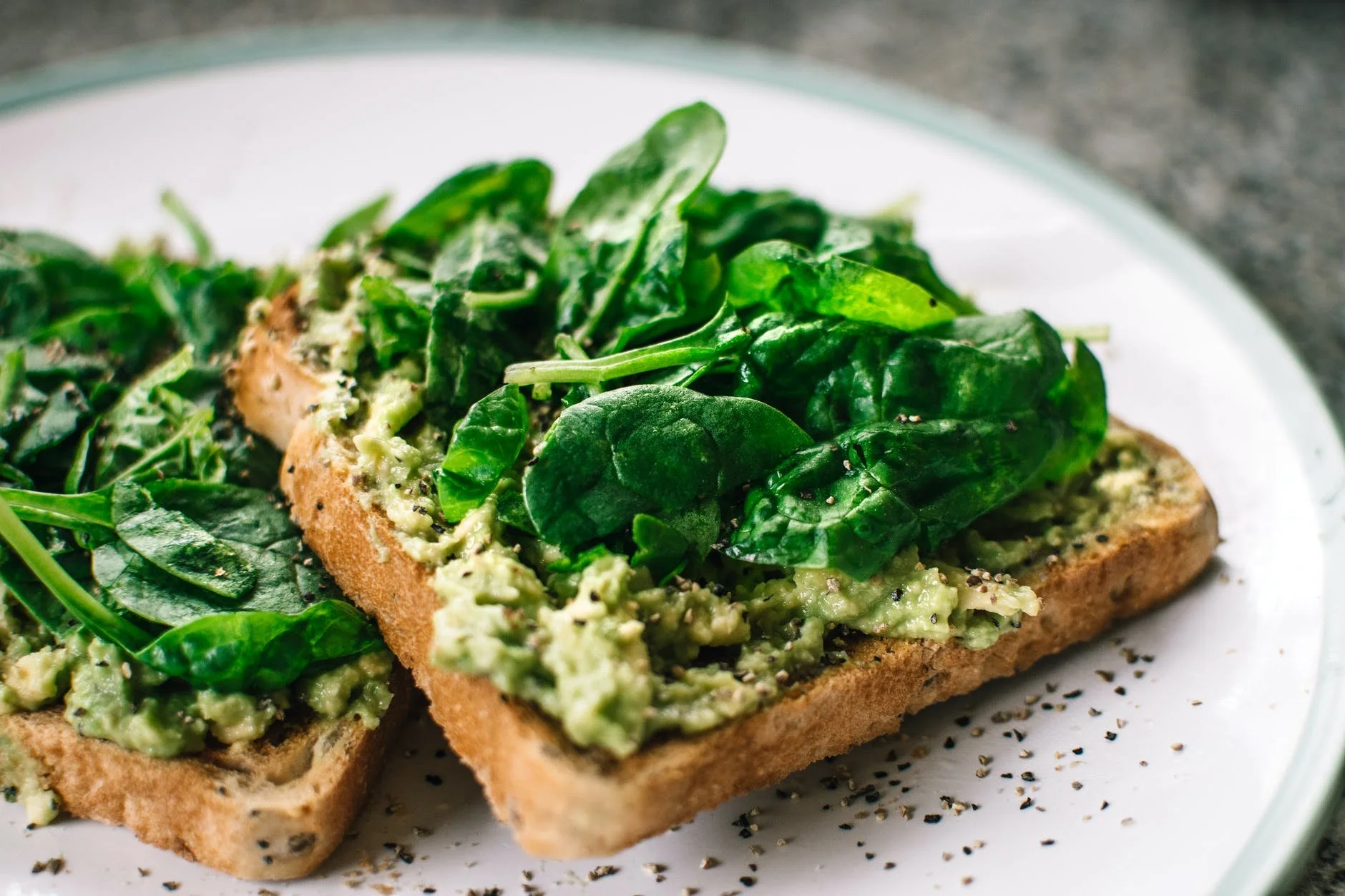
what is veganism?
The Vegan Society describes veganism as “a way of living that seeks to remove any forms of exploitation or cruelty to animals”.
People who follow a vegan diet are often defined by what they don’t eat, including meat, fish, eggs, dairy and other animal ingredients that are found within products, such as gelatine or whey. Being vegan also means trying not to use products that have been tested on animals (such as cosmetics) and materials derived from animals (such as leather).
While it can initially seem fairly radical, this movement has become mainstream in recent years. This article shares information about the benefits of veganism for you and the planet, and highlights some of the delicious food that vegans can eat (which isn’t really too different!).

what is veganuary?
Veganuary is an annual challenge run by a UK non-profit organisation that encourages people to go vegan for the 31 days of January and hopefully to continue after.
It started in 2014 and has grown massively since then, with over 580,000 people from 209 countries taking part worldwide in 2021 (The Vegan Society, 2021).
why go vegan this January? find your motivation!
to improve your health:
eating animal products has been linked to diseases such as diabetes, cardiovascular disease and some cancers (Oxford University, 2021).
several reports have shown a plant-based diet can help to prevent or even reverse the effects of diseases (Tuso et al., 2013).
to protect the environment:
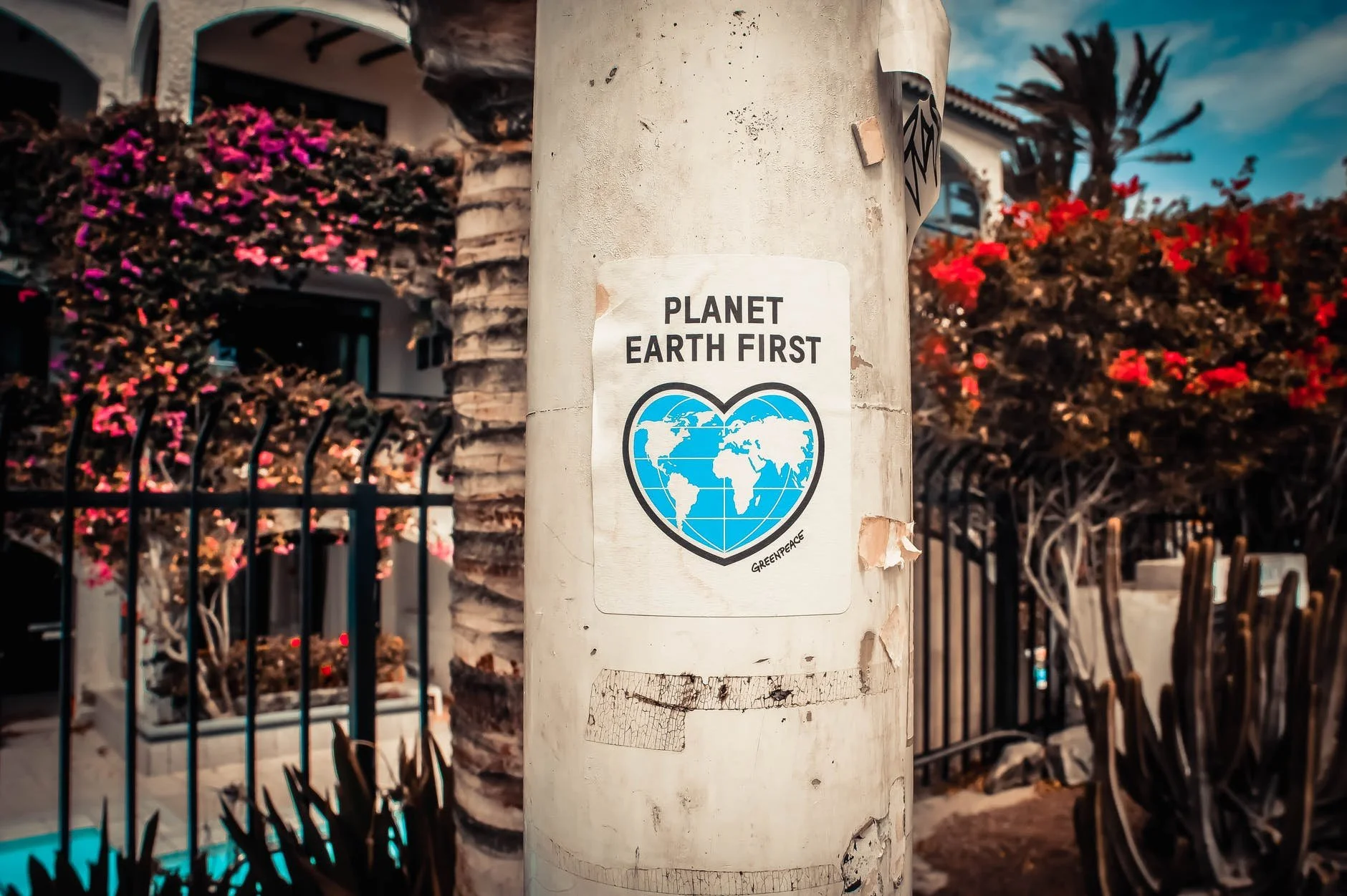
animal agriculture is one of the leading causes of the climate emergency. It contributes more greenhouse gas emissions than global transport combined (Greenpeace, 2020).
according to The Oxford Academic BioScience, animal agriculture consumes about 70% of freshwater worldwide. Approximately 43,000 litres of water are required to produce just 1kg of beef (Pimentel, 2004). Eating a plant-based vegan diet is one of the biggest things you can do on an individual level to help combat climate change.
to prevent animal suffering:
every year in the UK approximately 1.2 billion land animals, 1 billion fish and 4.4 billion shellfish are killed for meat and fish each year. That’s a lot of life.
Animals are also used in other ways, for example, for their milk and eggs. The charity, PETA, is the leading source of research into human impact and exploitation of animals. It shares clear information and actionables to help make a change. If you want to know more, we’ve listed some resources below.
top tips for going vegan:
it’s okay to make changes, however small, at your own pace – you don’t have to go completely vegan to make a difference, and you don’t have to do it overnight. Why not ease yourself in by making small changes, such as adding in one vegan meal a day or substituting your meat or dairy for a vegan alternative.
know your ‘why’– having a reason for going vegan which you can refer back to will help keep you motivated and prevent you from going off track.
find your go-to meals – for inspirations, my quick and easy go-to meals for breakfast, lunch and dinner are:
breakfast - scrambled tofu on toast
lunch - vegan tuna on a jacket potato, rice crackers or in a sandwich
dinner – satay fried rice – this is a good dish to use leftover rice and vegetables to prevent food waste!
double up portions - whenever you cook a meal, double or triple your portion. Store it in the fridge or freezer so next time you’re in a hurry you have a nutritious and filling meal that you can tuck into with minimal cooking.
download ‘Happy Cow’ - this app and website will help you locate the best vegan restaurants and cafes near you. It will also help you find non-vegan restaurants you can go to with your friends who aren’t vegan that still have great vegan options.
in London, I recommend Temple of Seitan for vegan fast food or Itadaki Zen for vegan Japanese food.
be prepared to debunk myths – when you go vegan, you’ll realise how many stereotypes there are around plant-based living. Sometimes it can be tricky to know the right answer, especially if you’re put on the spot!
the most common worry I hear about veganism is, but where do you get your protein? This is surprising as protein is in almost every food we eat. Vegans get the correct amount of protein because they simply do what pigs, sheep, cows and chickens do: they go to the source (Veganuary, 2020). The Dietary Reference Intake for protein is only 0.8 grams per kilogram of body weight (Lupton et al., 2002). Vegetarians and vegans tend to eat more protein than the daily minimum recommended amount, and protein deficiencies are extremely rare.
check out the veganuary blog post for more myths you can bust.
be kind to yourself – take off the pressure to be perfect. If you ate something you didn’t realise wasn’t vegan or simply gave into temptation, don’t beat yourself up about it. Just know you're only human and you're trying your best. Every little bit counts, including just one vegan meal a week.
keep learning! If this has been your first step to learning about veganism, don’t stop here. Check out these documentaries to remind yourself why you’re doing it. If you want to go vegan for…
the animals, watch: Earthlings
your health, watch: Forks Over Knives
the environment, watch: Cowspiracy
plant-based strength, watch: The Game Changers
we would also like to hear your top tips for going vegan, share them in the comments below or mention us on social media.

references & resources
Greenpeace, 2020. Farming for Failure. How European Animal Farming Fuels the Client Emergency. [online] Belgium: Greenpeace European Unit. Available at: <https://www.greenpeace.org/static/planet4-eu-unit-stateless/2020/09/20200922-Greenpeace-report-Farming-for-Failure.pdf> [Accessed 2 January 2022].
Lupton, J.R., Brooks, J.A., Butte, N.F., Caballero, B., Flatt, J.P. and Fried, S.K., 2002. Dietary reference intakes for energy, carbohydrate, fiber, fat, fatty acids, cholesterol, protein, and amino acids. National Academy Press: Washington, DC, USA, 5, pp.589-768.
Oxford University. 2021. Regular meat consumption linked with a wide range of common diseases. [online] Available at: <https://www.ox.ac.uk/news/2021-03-02-regular-meat-consumption-linked-wide-range-common-diseases> [Accessed 2 January 2022].
PETA. 2018a. Cow's Milk: A Cruel and Unhealthy Product | PETA. [online] Available at: <https://www.peta.org/issues/animals-used-for-food/animals-used-food-factsheets/cows-milk-cruel-unhealthy-product/> [Accessed 2 January 2022].
PETA. 2018b. 21 Surprising Facts About Chickens. [online] Available at: <https://www.peta.org.uk/blog/21-surprising-facts-about-chickens/> [Accessed 3 January 2022].
Powell, V., 2014. The Dark Side of Dairy. [online] Bristol: Viva. Available at: <https://viva.org.uk/wp-content/uploads/2020/03/Dark-Side-of-Dairy-report-2014.pdf> [Accessed 3 January 2022].
Pimentel, D., Berger, B., Filiberto, D., Newton, M., Wolfe, B., Karabinakis, E., Clark, S., Poon, E., Abbett, E. and Nandagopal, S., 2004. Water resources: agricultural and environmental issues. BioScience, 54(10), pp.909-918.
RSPCA. 2021. What happens with male chicks in the egg industry?. [online] Available at: <https://kb.rspca.org.au/knowledge-base/what-happens-with-male-chicks-in-the-egg-industry/> [Accessed 2 January 2022].
The Vegan Society. 2021. Veganuary. [online] Available at: <https://www.vegansociety.com/take-action/campaigns/veganuary-2021> [Accessed 3 January 2022].
Tuso, P.J., Ismail, M.H., Ha, B.P. and Bartolotto, C., 2013. Nutritional update for physicians: plant-based diets. The Permanente Journal, 17(2), p.61.