
earth day '21
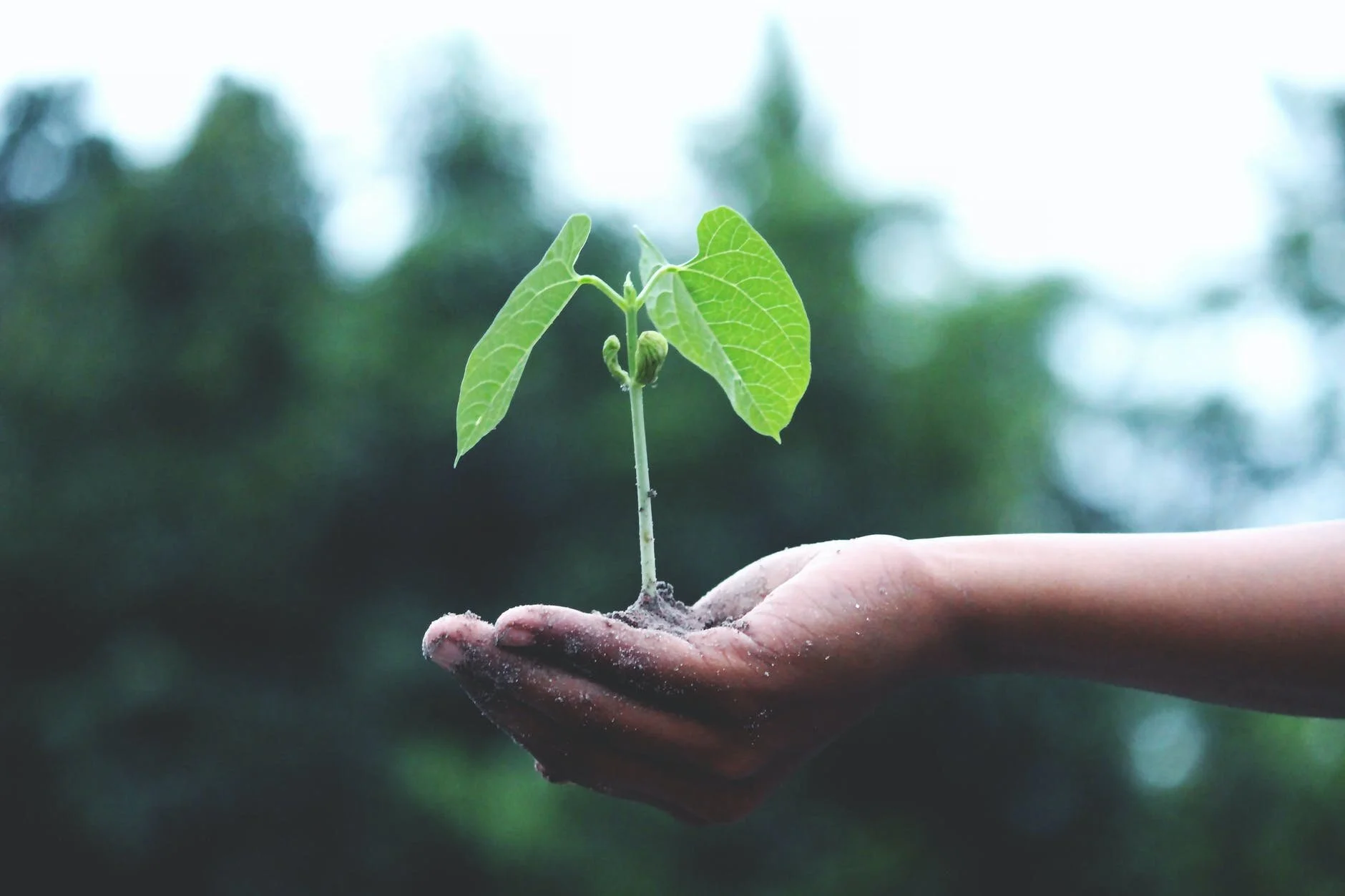
a sustainable garden for earth day
5 things to make a garden that embraces nature and biodiversity
At The Bridge we have started discussing how we can transform our outdoor space into a sustainable garden for wildlife and community. To celebrate Earth day, we want raise awareness of the importance of green spaces for the health and wellbeing of the community and for thriving urban ecosystems. In this post we will share the 5 things that we are considering when thinking about how to make a garden that embraces nature and biodiversity.
1. planting, trees, shrubs and other pollution fighting plants to reduce air pollution, offset emissions and reduce the urban “heat island effect”, which is causing London to be up to 10’C warmer than neighbouring rural areas.
Whether you are visiting Borough Market in the local area or having a stroll in Southbank along the Thames river, the garden is only a short distance away to provide a space for the community to sit, relax, breath and enjoy the benefits of being surrounded by nature. (To learn more about how and whom is most affected by the heat island effect in in London, visit the Mayor of London’s website on London's heat risks).
2. focusing on pollinator friendly plants and shrubs and avoiding garden chemicals to prioritise native pollinator species such as bees, moths, hoverflies and butterflies, tackle the decline in pollinator numbers and allow pollinators to thrive in London.
Creating a pollinator friendly habitat through careful planting and the establishment of bug hotels, will provide safe shelter for pollinators, insects and invertebrates, which can in turn support the garden with ‘controlling’ the presence of ‘pests’, as these become larval food for wildlife.
3. using sustainable organic, peat-free compost.
Peat bogs are internationally significant nature hotspots as well as significant carbonsinks - area for area storing more carbon that rainforests. The garden will reflect our desire for defending the natural environment and supporting the government’s commitment to phase out peat extraction. Read this BBC article to find out more about the debate on using Peat in the garden.
4. collecting and re-using water.
We are increasingly becoming aware of the pressure that climate change places on water resources, making water an increasingly limited and valuable resource. We envision an urban garden with a system that collects rainwater and encourages practices like mulching and adding organic matter to the soil to increase its water holding capacity.
5. encouraging composting as an environmentally friendly way to deal with garden and the café’s kitchen waste.
Our dream composting system will enable us to reduce the kitchen waste that we produce in the café whilst allowing us to produce healthy compost that can then be used to improve and regenerate the soil. Whether we go for a wormery, a traditional composting system or a Bokashi composting system, we will aim to close the food-to-table-to-soil gap and reduce the amount of food scraps that end up in landfills, that release methane gas and contribute to climate change.
In addition to becoming a place for community, relaxation and learning that supports The Bridge’s charitable projects and cafe, our dream is for the garden to be part of wider environmental and sustainability policies that aim to increase safe and biodiverse green urban spaces.